
From a venture-building perspective, I’d rather see a product invest in mobile-first responsiveness than a flashy desktop lobby nobody uses. The newest wave of australian themed pokies new releases is pushing back on that pattern, and you can feel the difference when you load up a Newcastle-built platform, where the team behind crownslotsbest.com has clearly prioritised thumb-friendly navigation from the first sprint.
Mobile-first by design, not by retrofit
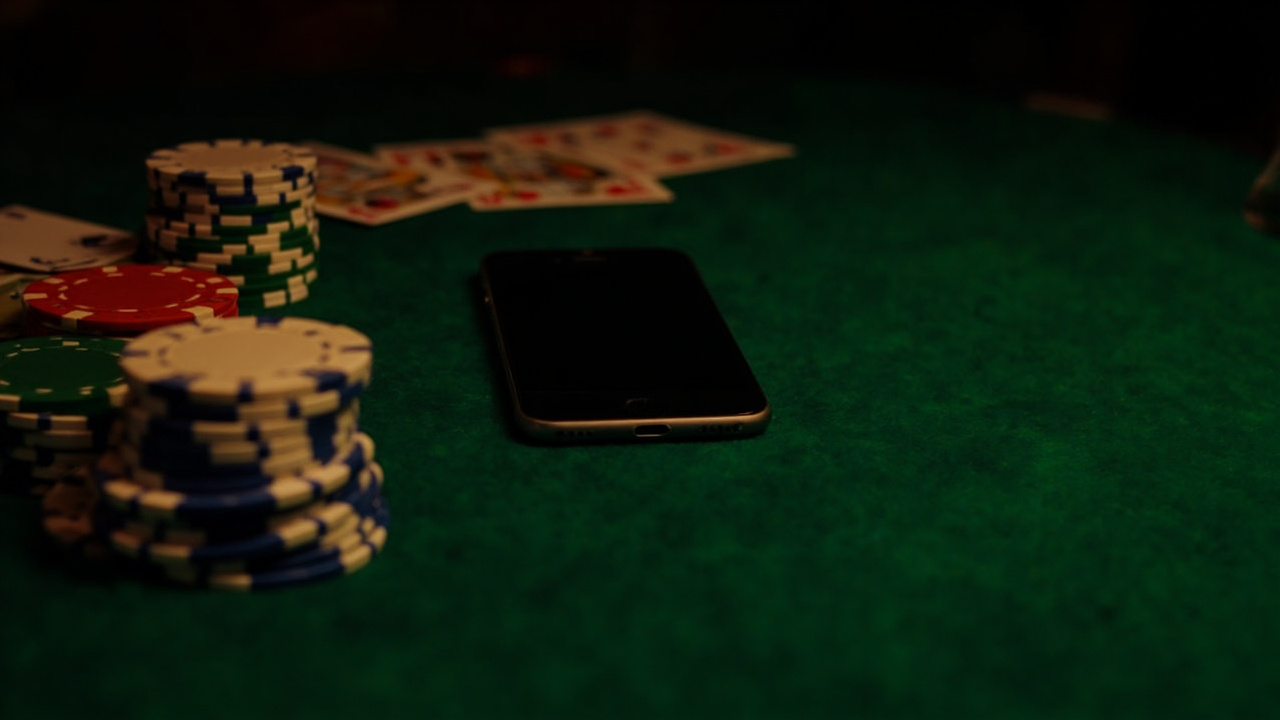
Most new casino sites I’ve assessed from an operator’s seat still feel like a desktop product squeezed onto a phone. The approach is the opposite: layouts are sketched on a 6.1-inch display first, then scaled up. Buttons sit low enough to reach with a thumb on a Newcastle-bound train, and the bottom-anchored menu keeps critical actions – cashier, search, support, favourites – within a few centimetres of your grip.
Performance-wise, the PWA loads in roughly 2.4 seconds on a 4G connection in my testing, faster than several bigger Australian-facing rivals I’ve benchmarked. No native download is required, but the home-screen install is solid enough that I forgot I wasn’t using an app after the second session. Animations are restrained, which matters when the connection drops across a few metres of footpath between the cafe and the bus stop in Cooks Hill.
Navigation follows a single rule: never more than two taps from a game you played yesterday. The ‘recent’ carousel sits above the fold on portrait, and the search bar accepts partial provider names like ‘Reel Time’ or ‘Lightning Box’ without a full reload.
A library tuned to one-handed sessions
A pokies catalogue that ignores mobile screen real estate is dead weight, and I reckon this is where most Australian-facing sites get lazy. The brand stocks around 620 titles from roughly 24 providers, weighted toward studios that build in portrait by default – Reel Time, Lightning Box, and several Push Gaming releases sit at the top of the lobby.
Australian themed pokies new are clustered into their own tab rather than buried under generic categories, and the filtering is genuinely useful: you can organise your view by volatility, by min-bet in cents, or by whether a title supports a quick-spin mode. That last toggle is the small detail I’d flag for anyone who plays during their commute – it cuts animation length without forcing a separate turbo version of the game.
Bonus mechanics follow similar restraint. The welcome offer splits across three deposits with a 35x wagering requirement on bonus funds, plus a Friday reload of 50% up to $200. As a venture builder, rollover terms are the first thing I look at, and these are honest enough that I’d actually recommend reading the small print.
The product-safety debate the industry can’t ignore
Mobile-first design is only half the story – the bigger question in Australian gambling circles right now is whether pokie machines themselves should be regulated more like consumer products. Researchers now recognise that design choices around spin speed, near-miss animations, and loss-disguised-as-win audio should fall under product-safety frameworks rather than gambling-specific ones. Others in the industry push back hard on the idea.
Charlotte Taylor, Compliance Director at Southern Reef Gaming, reckons both sides have a point.”We’ve been pushing for a unified design-safety standard, but the trade-off is real – overzealous rules could slow the kind of mobile UX work that actually protects players, like clearer session timers and loss-limit prompts,” she said.”The goal should be safer design, not slower design.”
From where I sit as a venture builder, that tension is the most interesting part of the next 18 months. Sites that invest in mobile session tools – on-screen reality checks, deposit cool-offs reachable from the cashier tab, time-spent widgets pinned to the top bar – are quietly building the case for self-regulation. Whether regulators reward or punish that work is the real bet.
Banking, support, and the realities of playing on the go
A slick mobile lobby falls apart quickly if the cashier is clunky, and I’ve binned more demos than I can count on this point alone. Deposits are limited to AUD via PayID, Visa, Mastercard, plus a handful of crypto rails on the way out. Withdrawals process within 12 hours on weekdays; crypto payouts settle inside an hour once verified.
Registration takes under two minutes on a phone – name, email, DOB, address, one-time code – and works fine even with only a few kilometres of signal left. KYC kicks in on first withdrawal, so onboarding stays quick without skipping the check.
Support runs through on the brand’s web portal 24/7 live chat with a sub-two-minute response across my three test sessions, and the agents actually understood mobile-specific questions about portrait layout quirks, which is rarer than it should be.
A four-tier loyalty scheme tracks comp points at 1 per $10 wagered, redeemable for bonus credits at a 100-point floor. Most players here never climb past tier two, and that’s fine – the arvo commute crowd doesn’t need a VIP host, they need a working app.
Glossary
- PWA (Progressive Web App): a browser-based app that can be installed to a phone’s home screen without a download
- KYC: Know Your Customer, the ID verification process required before the first withdrawal
- Wagering requirement: the number of times bonus funds must be played through before they can be withdrawn
- Volatility: how often and how heavily a pokie pays out, ranging from low (frequent small wins) to high (rare large wins)
Whether this brand ends up rewriting anyone’s roadmap or just stays a quiet alternative is a question I genuinely don’t know the answer to yet. What I can say after a few weeks of mobile testing is that the foundation is sound, the phone experience is the genuine article, and the product-safety conversation is moving faster than most operators would like to admit. That’s defo worth a closer look.
